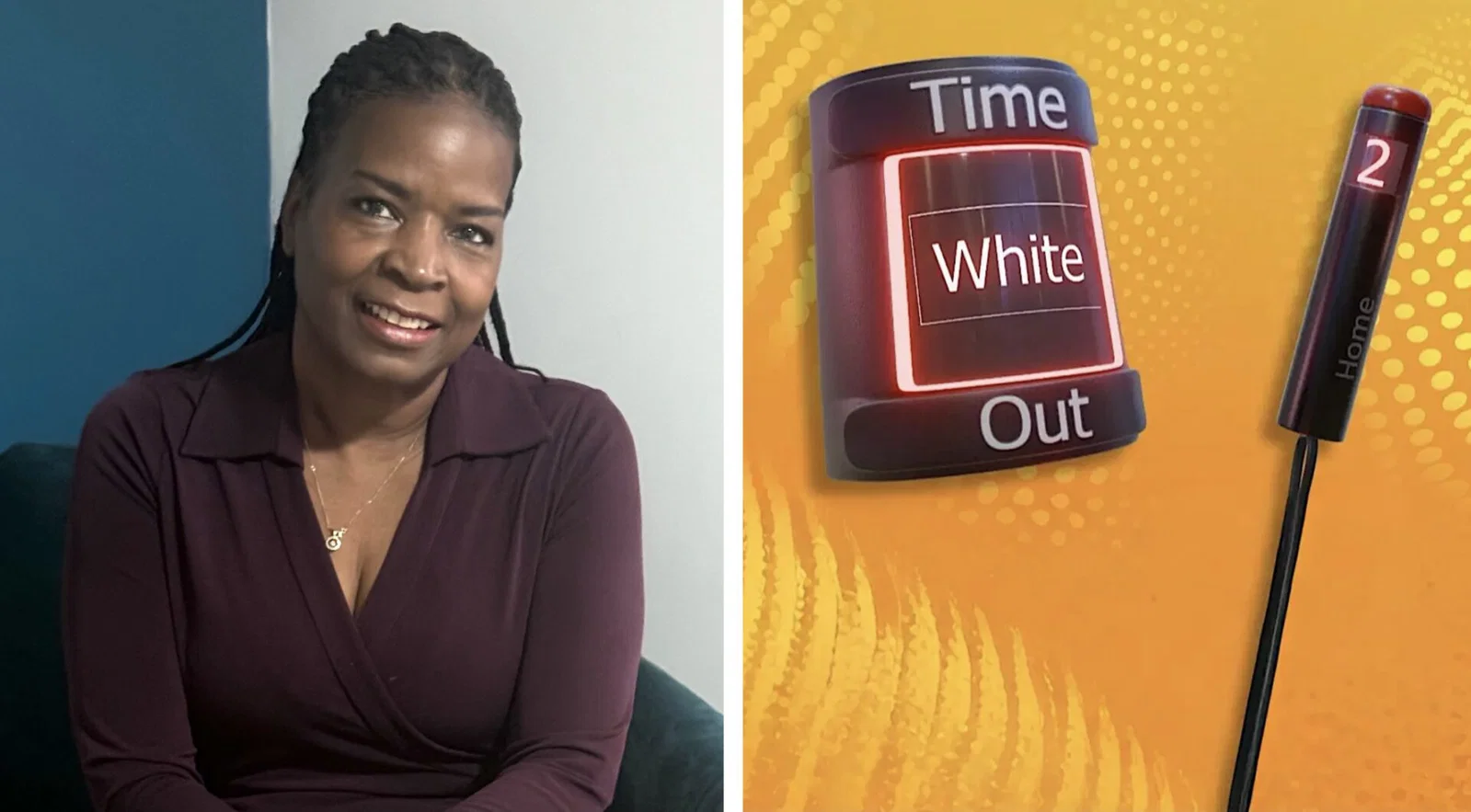
A 71-year-old cancer survivor in the Bronx says she’s trapped in a rat-infested apartment, despite repeated pleas to her landlord. Tearful Cora Robinson says she fights back with a piece of plywood—but the rats …
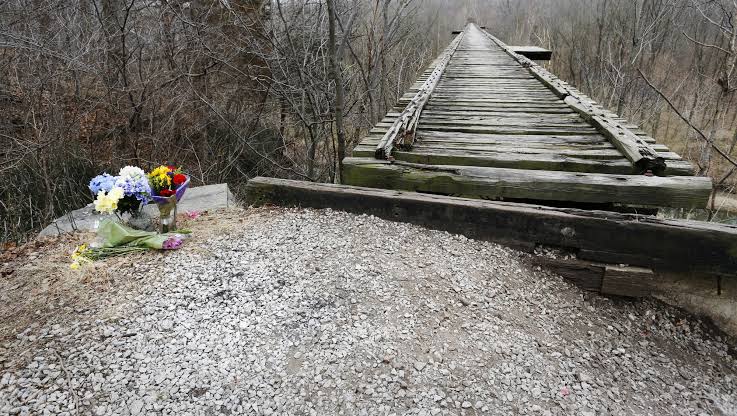
JACKSON, Miss. —The trial of Jada Kelly, who faces charges of aggravated DUI in connection with a crash that killed two women, has begun in Hinds County Circuit Court. On Wednesday, jurors heard testimony …
There’s a shift happening—we’re just mislabeling it. Headlines claim Black women are exiting the workforce, but analysts at the Economic Policy Institute highlight layoffs, burnout, and a steady rise in entrepreneurship. Data from Wells Fargo shows Black women …
The meeting focused on Attorney General Pam Bondi’s handling and public release of the Epstein files. U.S. Rep. Summer Lee says James Comer called her a “b-tch” during a closed-door meeting about the Epstein files. The Pennsylvania congresswoman …
Right now, 33 Black teenage girls are reported missing in New York — a number that should be dominating headlines and sparking national concern. According to the National Center for Missing & Exploited Children, these cases are real, urgent, and ongoing. Yet, outside of limited local coverage from outlets like Yonkers Voice, the issue has received little attention. Among the missing are girls like Rosaye Price, Destiny Scott, Jada Gaither, and Marissa Gibbs — daughters, friends, and young lives with stories that deserve to be heard. Many disappeared from communities such as Albany and Brooklyn, yet their names have not echoed across national media the way others have in similar circumstances. There has been no sustained coverage, no widespread urgency, and no collective outcry. This troubling pattern extends beyond New York. In Virginia, reports indicate that at least 10 Black teenage girls are currently missing. Across the United States, families are searching, waiting, and hoping — often without the attention that can make a critical difference in finding their children. The disparity in media coverage raises difficult questions about whose stories are amplified and whose are overlooked. When cases fail to gain visibility, it can impact public awareness, resource allocation, and ultimately, the chances of bringing these girls home safely. This is not just a statistic. It is a call to pay attention. Talk about it. Share their stories. Stay informed. Because behind every number is a child who is still missing — and a family still waiting.