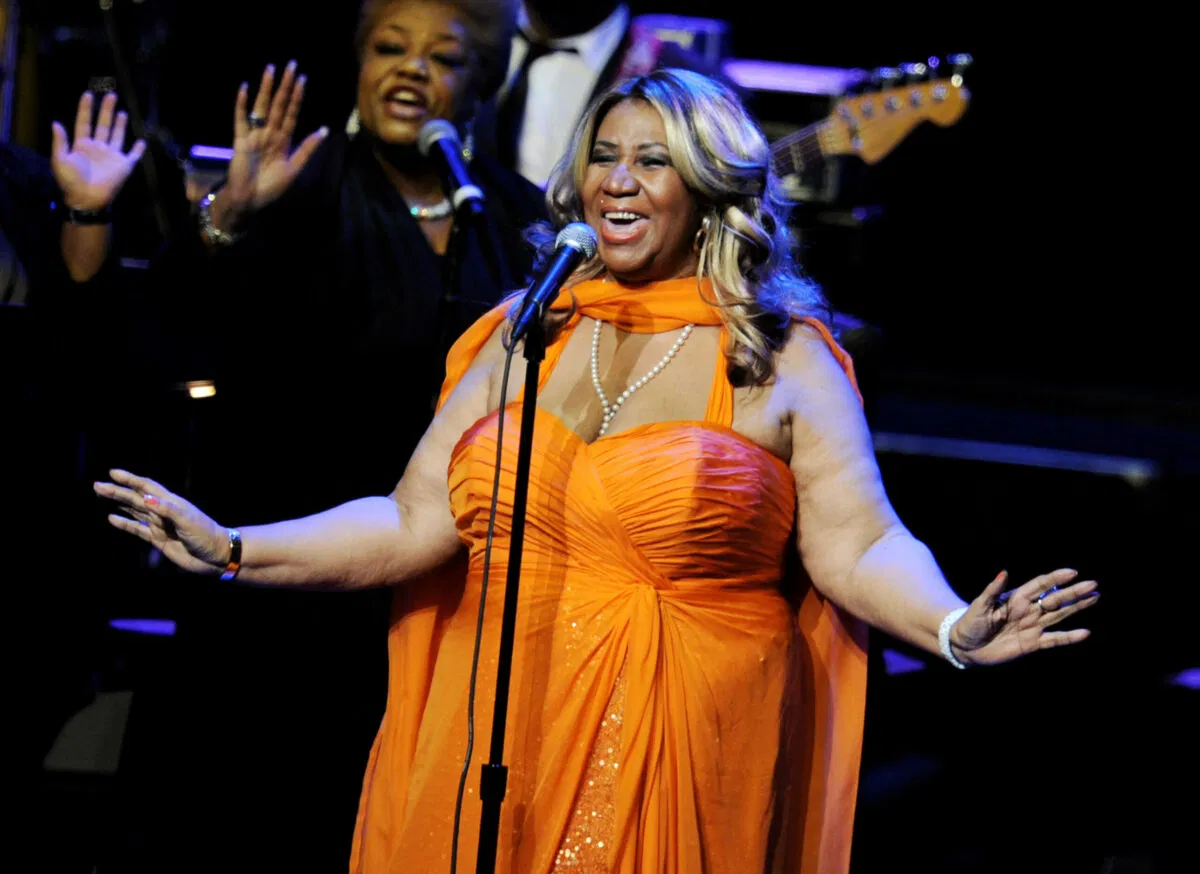
Queen of Soul: 7 Empowering Anthems.
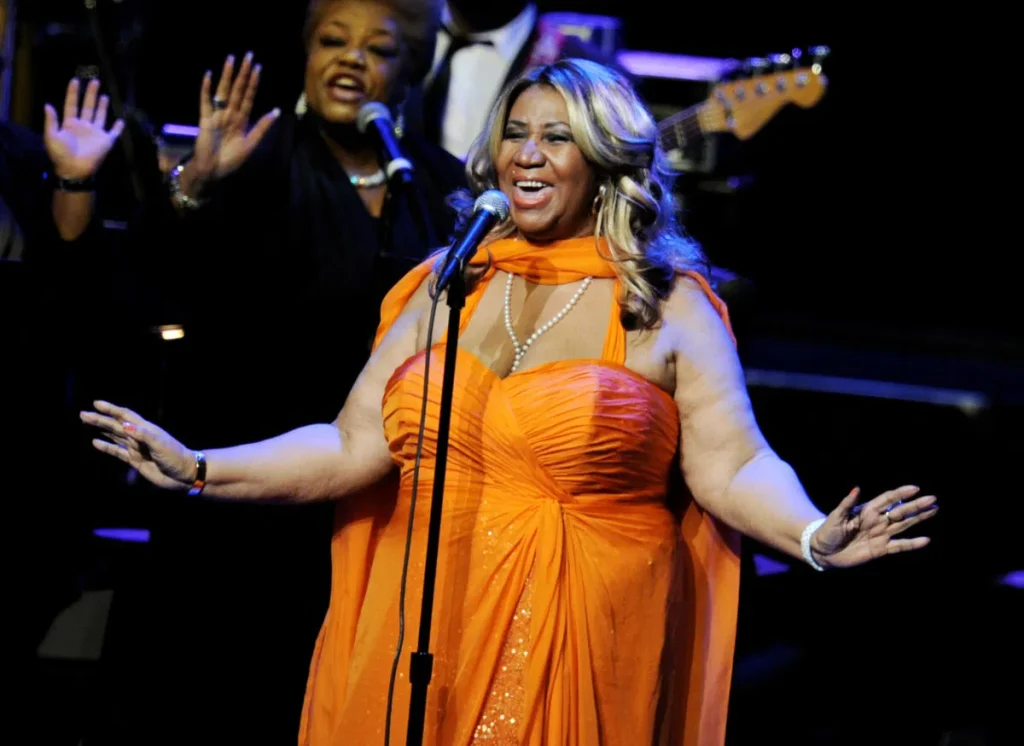
Aretha Franklin’s legacy deserves renewed recognition during Women’s History Month, especially as her birthday falls on March 25. Her music powerfully reflects the cultural and social progress celebrated during this time.
Born in Memphis in 1942 and raised in Detroit, Franklin emerged as a defining voice of the Civil Rights Movement and a lasting symbol of Black womanhood, empowerment, and artistic excellence. Through her iconic reinterpretation of Respect into a feminist anthem, along with her unwavering messages of identity and self-worth, her music continues to celebrate women’s strength, resilience, and progress.
This list highlights how her voice still resonates today, telling the evolving story of women’s ongoing fight for recognition, equality, and respect.
Bridge Over Troubled Water is a timeless ballad about comfort, support, and unwavering love during difficult times. Popularized by Simon & Garfunkel, the song became even more powerful through Aretha Franklin’s soulful rendition, which adds depth, strength, and emotional resilience—making it a moving anthem of compassion and empowerment.
In her 1971 release, Aretha Franklin reimagined Bridge Over Troubled Water by infusing it with Black gospel elements. The gospel-driven themes of support and resilience resonate strongly with women, highlighting their emotional strength and capacity to uplift one another. Franklin transforms the song into a spiritual embrace, illustrating how women provide comfort and guidance through life’s challenges.
Young, Gifted and Black is an empowering anthem celebrating Black pride, identity, and potential. Popularized by Aretha Franklin, her rendition amplifies messages of confidence, self-worth, and inspiration, encouraging listeners—especially young Black women—to embrace their talents and heritage with pride.
In 1972, Aretha Franklin performed Young, Gifted and Black, a powerful anthem celebrating Black identity, pride, and potential. Released during the height of the Black Power movement, the song quickly resonated within Black communities worldwide. Its core message is to empower young people by affirming their intelligence, worth, and limitless potential—and Franklin’s rendition brings that message to life with undeniable strength and conviction.
A Rose Is Still a Rose is a soulful anthem of resilience and self-empowerment. In this song, Aretha Franklin reminds listeners—especially women—that no matter the hardships they face, their value, strength, and beauty remain unchanged, celebrating perseverance, dignity, and inner growth.
Aretha Franklin delivers this song, written and produced by Lauryn Hill, as a powerful exploration of self-worth and resilience. Blending soul with contemporary R&B, the track reached audiences in the United States in 1998, conveying that women’s intrinsic value remains intact regardless of life’s challenges. The song marked Franklin’s triumphant return to the music scene in her later years, resonating strongly with younger listeners through its enduring message of empowerment.
Sisters Are Doin’ It for Themselves is an iconic anthem of female empowerment and independence. Performed by Aretha Franklin alongside Eurythmics, the song celebrates women taking control of their lives, breaking barriers, and asserting their strength, ambition, and autonomy.
“Sisters Are Doin’ It for Themselves” stands as a legendary anthem of female empowerment and independence. In collaboration with Eurythmics, Aretha Franklin delivers a powerful message celebrating women who take charge of their lives, overcome obstacles, and embrace their strength, ambition, and autonomy.
Think is a bold and electrifying anthem of empowerment, independence, and self-respect. In this song, Aretha Franklinasserts the importance of personal freedom and demands respect, making it a timeless declaration of strength and agency for women everywhere.
In 1968, Aretha Franklin wrote and performed “Think,” a powerful declaration of liberation and self-determination. Released during a period of significant social and political change in the United States, the song struck a chord with those striving for independence and dignity, particularly women. Over time, “Think” has become an enduring anthem of empowerment, celebrated as a timeless symbol of freedom and personal agency.
(You Make Me Feel Like) A Natural Woman is a soulful classic celebrating feminine identity, love, and emotional authenticity. Performed by Aretha Franklin, the song honors the feeling of being valued and cherished, highlighting the power of recognition, affirmation, and self-worth in women’s lives.
In 1967, Aretha Franklin performed “(You Make Me Feel Like) A Natural Woman,” written by Carole King and Gerry Goffin. The song conveys a powerful message about love, emotional depth, identity, and womanhood, resonating deeply with female audiences. Franklin’s commanding vocals elevated the track, cementing its cultural and social significance.
Respect is an iconic anthem of empowerment, dignity, and self-assertion. Performed by Aretha Franklin, the song demands recognition and equality, becoming a timeless declaration of independence and strength, particularly for women and the broader civil rights movement.
Originally written by Otis Redding, Aretha Franklin transformed the song into an iconic anthem. Recorded in 1967 at FAME Studios in Muscle Shoals, Alabama, during the height of the Civil Rights era, her version became both a feminist and civil rights declaration, demanding respect in personal and societal relationships. Franklin’s powerful vocals shifted the perspective to highlight a woman’s fight for independence and recognition, solidifying “Respect” as a cultural cornerstone embraced by activists advocating for equality and personal dignity.