With no background in tech, this 27-year-old entrepreneur successfully founded two tech companies.
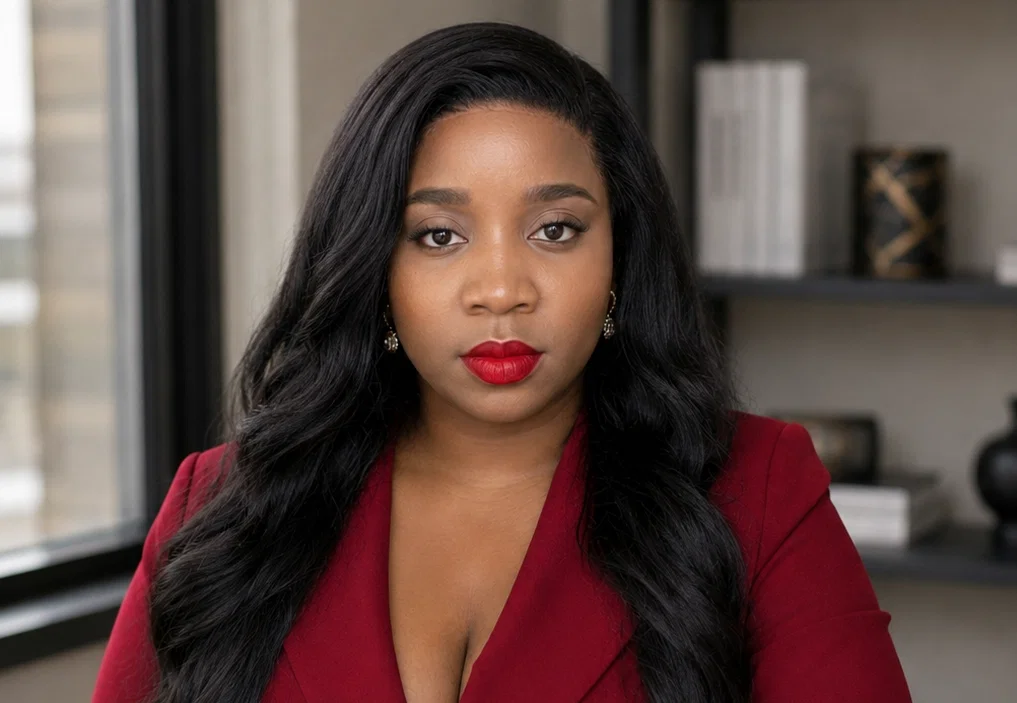
After building KB Matrix to connect textured hair stylists with clients across Europe, Netochukwu Onuoha is now redefining public relations with Inkognito.AI—proving that one successful innovation can pave the way for another.
At just 27, Netochukwu Onuoha has already established herself as a serial entrepreneur, launching two tech startups despite having an academic background in science and law. Her newest venture, Inkognito.AI, is an AI-powered platform designed to help founders and business owners discover relevant PR opportunities and create more compelling media pitches.
Onuoha co-founded Inkognito.AI with Deepali Garg as part of Build Club’s Women in AI accelerator, a four-week virtual program that empowers women to transform AI concepts into real-world solutions. The startup went on to earn third place during this year’s final showcase, highlighting its potential to reshape how entrepreneurs approach public relations.
Reflecting on the inspiration behind Inkognito.AI, Onuoha said her experience in the tech industry showed her that many founders struggle less with building great products and more with securing visibility and identifying the right PR opportunities.
“Every founder has a story worth sharing,” Onuoha said. “We created Inkognito.AI for founders, business owners, and PR teams who are tired of sending generic pitches that go unanswered. Our platform automates highly personalized outreach, helping ensure the right stories reach the right audience.”
Onuoha also reflects on her journey as a startup founder and discusses how artificial intelligence can create new opportunities and drive greater success for Black entrepreneurs.
How did you successfully launch two tech companies without any prior technical experience?
Most of the skills I’ve used while building KB Matrix and Inkognito AI have been transferrable skills from my legal background and experience in previous entrepreneurial ventures. I think one of the biggest misconceptions around building a startup is that founders need to be able to code in order to build a technology company. My background is in law and sciences, I’ve always approached problems from a systems and innovation perspective. I’ve learned how to identify gaps, understand users, communicate a vision, and bring together the right people and resources to execute. Technology is a tool. As a founder, my role is to understand the problem deeply, define the vision around building the solution, and build the ecosystem around it. I’ve used no-code tools, AI tools, partnerships, and technical collaborators to turn ideas into products. The ability to learn quickly and leverage resources has been more important than already knowing everything.
Without a technical background, what was your biggest hurdle in building a tech company, and how did you overcome it?
The biggest challenge was overcoming the feeling that I had to prove I belonged in the tech industry.
Coming from a non-technical background, it’s easy to question whether you have the credibility to build a technology company. I overcame that by changing my perspective. Instead of believing I needed to become an engineer, I focused on becoming an effective technology leader.
I dedicated time to learning the fundamentals of product development, AI, and how technology businesses operate. Just as importantly, I learned how to communicate effectively with technical teams and make informed strategic decisions.
Along the way, I realized that a diverse background can be a real strength. My experiences gave me a unique perspective that helped me identify problems, recognize opportunities, and develop solutions that others might have overlooked.
How has your experience with KB Matrix influenced the way you built Inkognito.AI?
KB Matrix taught me that building a startup is less about having everything figured out from day one and more about continuously validating, learning, and adapting. With KB Matrix, I learned the importance of deeply understanding your users before building. I spent time speaking to Afro hairstylists, running educational webinars, understanding their challenges, and seeing the gaps in the industry. That customer-first approach has shaped how I’m building Inkognito.AI. I’ve also learned that distribution is just as important as the product itself. A great product needs a community, a clear message, and a strategy for reaching the right people. With Inkognito.AI, I’m applying those lessons much earlier, focusing on user feedback, building relationships, and creating something people genuinely need.
What AI-driven opportunities should Black entrepreneurs be exploring today?
AI represents one of the biggest opportunities for Black entrepreneurs because it lowers barriers to building, creating, and scaling. For generations, many Black founders have had incredible ideas but faced limitations around access to capital, networks, and resources. AI is changing the landscape because individuals can now automate processes, create content, analyze information, build prototypes, and operate more efficiently. The opportunity is not just to use AI as a consumer, but to become builders and owners within this new economy. I think there is a huge opportunity for Black entrepreneurs to create AI solutions that are culturally relevant, solve real problems within our communities, and bring perspectives that are often missing from technology development.
What lessons would you share with Black women who aspire to build successful tech companies?
When I first entered the tech ecosystem, I often felt like I didn’t belong. That changed when I found communities like Rewriting the Code, where I connected with women at every stage of their tech careers. Being part of that network—and especially meeting other Black women through its “Black Wings” community—helped me feel represented, supported, and inspired.
One of the biggest misconceptions is that women, particularly those from underrepresented backgrounds, need technical expertise before they can succeed in tech. In reality, many already possess the skills that matter most. Building technology isn’t just about coding—it’s about solving problems, thinking creatively, communicating effectively, leading teams, developing strategy, and understanding people’s needs.
My advice to other Black women is to see yourselves not just as users of technology, but as creators and innovators. The future of technology—especially artificial intelligence—depends on diverse founders, builders, and leaders. Your unique experiences and perspectives are essential to developing solutions that are more inclusive, impactful, and relevant for everyone.