From Wash Tubs to Boardrooms: Why the Story of Black Women’s Labor Still Matters.
Black women’s labor is at the heart of today’s conversations about equal pay.
It is easy to assume that the story of Black women’s work begins with today’s conversations about equal pay, workplace equity, and career advancement. But it reaches much further back—to laundry rooms, kitchens, classrooms, hospitals, churches, union halls, and neighborhoods where Black women built lives, strengthened communities, and created institutions, even as an economy repeatedly relied on their labor without fully valuing or fairly compensating it.
That is the central argument of a new report by economist Dr. Rhonda V. Sharpe and the Women’s Institute for Science, Equity and Race (WISER). From Wash Tubs to Boardrooms: The Economic Mobility and Labor Legacy of Black Women in America examines nearly 150 years of Black women’s labor, linking historic struggles in the workplace to the economic realities many continue to experience today. Rather than treating contemporary wage and wealth gaps as isolated problems, the report places them within the context of a much longer and more complex American history.
One of the report’s most powerful examples is the story of Oseola McCarty. For decades, McCarty washed and ironed clothes in Hattiesburg, Mississippi. She never married, left school before completing elementary education, and lived a modest life. Through years of careful saving, however, she accumulated more than $250,000. At 87, she donated $150,000 to establish scholarships for Black students at the University of Southern Mississippi—turning the earnings of a washerwoman into educational opportunities that would benefit generations to come.
Black women have consistently created economic value, built institutions, strengthened communities, and invested in the success of others. Yet the systems built around their labor have seldom returned that investment in equal measure.
The report traces this history even further back to the Atlanta washerwomen’s strike of 1881, when thousands of Black women organized to demand higher wages and greater control over their work. Their collective action challenged both employers and local authorities, making the strike one of the South’s earliest large-scale labor movements led by Black women. Their organizing helped establish a foundation that later leaders, including educator and labor activist Nannie Helen Burroughs, would build upon through lasting institutions dedicated to training, worker advocacy, and economic opportunity.
These stories are not included as mere historical footnotes. They demonstrate that Black women have never been passive participants in the American economy. They have shaped it, challenged it, and continually expanded its possibilities. The report carries that legacy into the present, examining occupational segregation, educational attainment, wealth, student debt, entrepreneurship, and labor force participation. One of its most significant conclusions is that education alone has not erased economic inequality. Although Black women have made remarkable gains in college attainment over the past several decades, many still face lower earnings, heavier student debt burdens, and fewer opportunities to build wealth than their similarly educated peers.
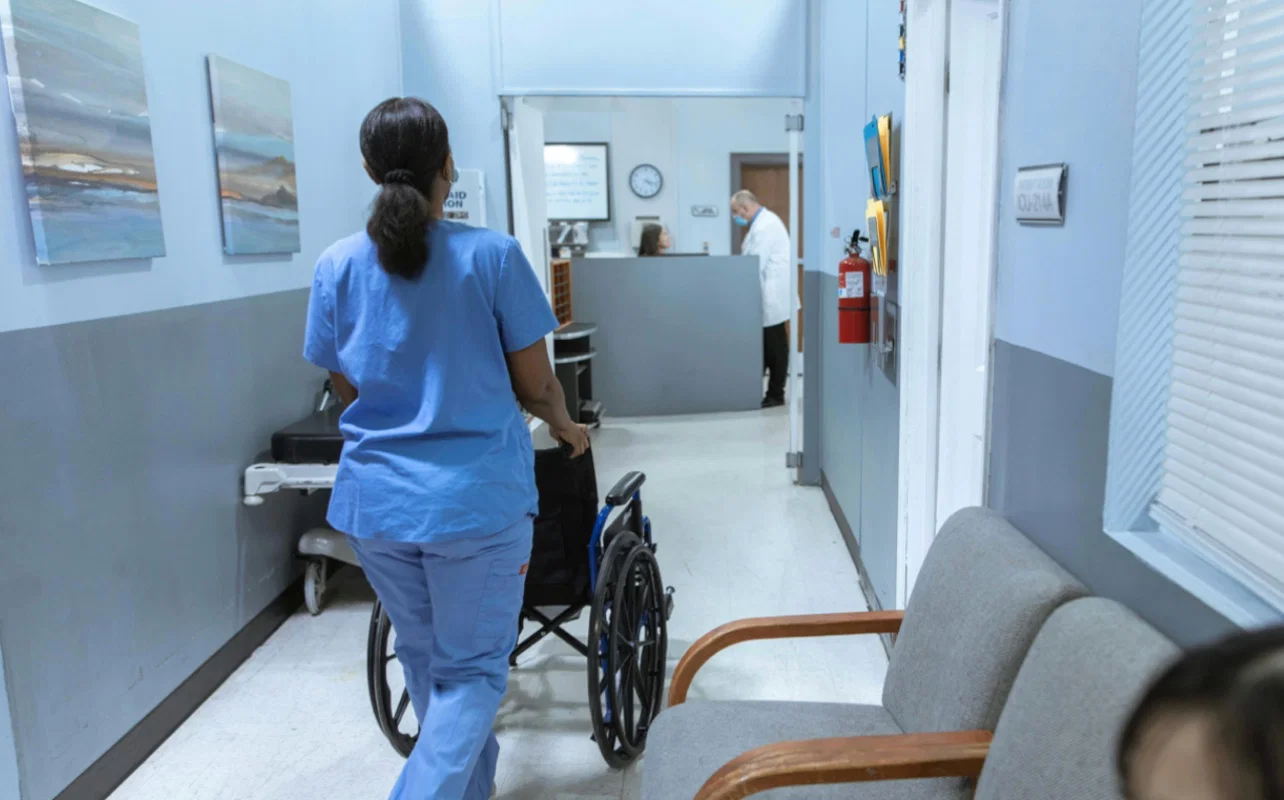
The research also emphasizes that these disparities cannot be viewed solely as individual struggles. Occupational segregation continues to funnel Black women into essential care and service professions that have historically been undervalued, despite their vital role in sustaining the nation’s economy. Economic mobility, the report argues, cannot be separated from the systems and structures that shape access to opportunity.
Yet From Wash Tubs to Boardrooms is not a narrative of inevitable hardship. It is a story of perseverance, innovation, and collective action. Across generations, Black women have built schools, organized workers, founded businesses, supported families, and invested in their communities while navigating barriers that extended far beyond the workplace.
As Unerased | Black Women Speak prepares to observe Black Women’s Equal Pay Day, this research offers more than statistics to consider—it offers essential context. It reminds us that today’s conversations about wages, wealth, and economic justice did not emerge overnight. They represent the latest chapter in a much longer history of labor, leadership, and resilience.
Understanding that history helps clarify what a more equitable future could look like—and why creating it requires valuing Black women’s work not only for what it produces, but also for everything it has made possible.