“I Will Always Love You”: Dolly Parton’s Genius, Forever Iconic Through Whitney Houston.
The world has lost a true music legend. Dolly Parton has died at 80 after a brief battle with cancer, leaving behind a remarkable legacy as a singer, songwriter, actress, and award-winning entertainer.
Yet her greatest legacy may be her songwriting. “Jolene,” “I Will Always Love You,” and “9 to 5” stand among her most iconic works, each showcasing her extraordinary ability to turn powerful stories into unforgettable music.
Parton didn’t simply write songs—she brought stories to life, pairing deeply emotional lyrics with melodies that made them timeless.
Jolene
Released in 1974, Jolene captures the raw heartbreak and insecurity of watching the person you love become captivated by someone else.
Parton’s desperate plea to Jolene—asking her not to take her man “even though you can”—turns jealousy, fear, and vulnerability into something deeply human. Its honesty is what makes the song so powerful and timeless.
Unlike many popular love songs of its era, which focused on the joy of finding love or the pain of losing it, Joleneexplores something far more vulnerable—the fear of losing someone you love to another woman.
The song unfolds like a tense emotional moment, as Parton tells the story of a beautiful young woman whose presence awakens insecurity and desperation.
Musically, its haunting minor-key chords heighten the sense of unease, rising with each emotional cry of “Jolene.” The rapid, intricate finger-picking guitar adds a constant sense of urgency, creating the tension that makes the song so unforgettable.
I Will Always Love You
Released in 1974, I Will Always Love You was another masterpiece from Dolly Parton—and remarkably, it may have been written on the same day as Jolene.
Once again, Parton perfectly marries storytelling with melody. But where Jolene is driven by fear and desperation, I Will Always Love You is filled with the quiet heartbreak of letting go. It captures the painful truth that sometimes, love can remain strong even when a relationship must come to an end.
Parton once again moves beyond the simple joy and excitement of romance, capturing a deeper truth: sometimes, loving someone means having the strength to let them go.
The lyrics are beautifully simple, offering only fragments of “bittersweet memories,” yet that restraint makes the song universally relatable. We don’t need to know the full story—we can fill in the gaps with our own experiences of heartbreak and painful goodbyes.
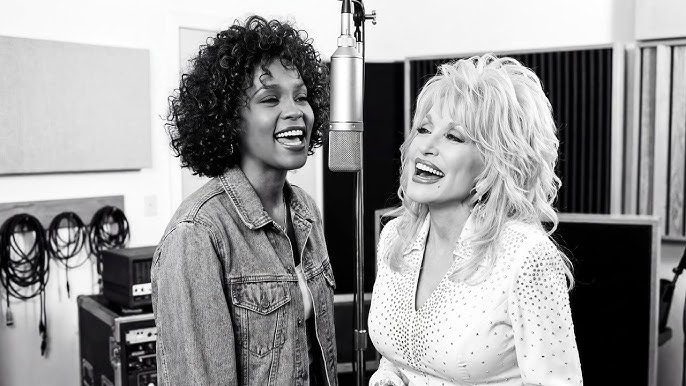
In Whitney Houston’s unforgettable rendition, the sustained opening “I” transforms into an almost haunting cry of emotion, giving the song an even greater sense of longing and heartbreak.
The chord progression behind the chorus is one of the most recognizable and successful patterns in popular music, appearing in classics such as Stand by Me, Blue Moon, Crocodile Rock, and Every Breath You Take.
Yet Parton makes it distinctly her own. Rather than having the melody rise and fall with the changing chords, she holds a single central note, adding only subtle vocal touches while the harmony shifts underneath. This simple but powerful choice gives the song its haunting, emotional character.
9 to 5
Dolly Parton wrote 9 to 5 for the 1980 film of the same name, in which she starred alongside Jane Fonda and Lily Tomlin. The song perfectly captures the fast-paced, exhausting rhythm of working life.
Instead of the drawn-out emotions of her love songs, Parton uses quick, energetic lyrics to mirror the relentless routine of the working day. Her clever use of imperfect rhymes, such as “kitchen” and “ambition,” adds wit and momentum while bringing the everyday story to life.
The melody of the verses rises with each burst of words, building momentum and mirroring the hectic start of a working day. Then the chorus shifts rhythmically, allowing the phrase “9 to 5” to land as an instantly memorable hook.
With 9 to 5, Parton moved beyond love songs to tackle a powerful feminist theme. She gave voice to workers who labor tirelessly yet struggle to receive fair recognition or opportunities for advancement. Her references to the “rich man’s game” and never being given credit highlight workplace inequalities that remain relevant even today.