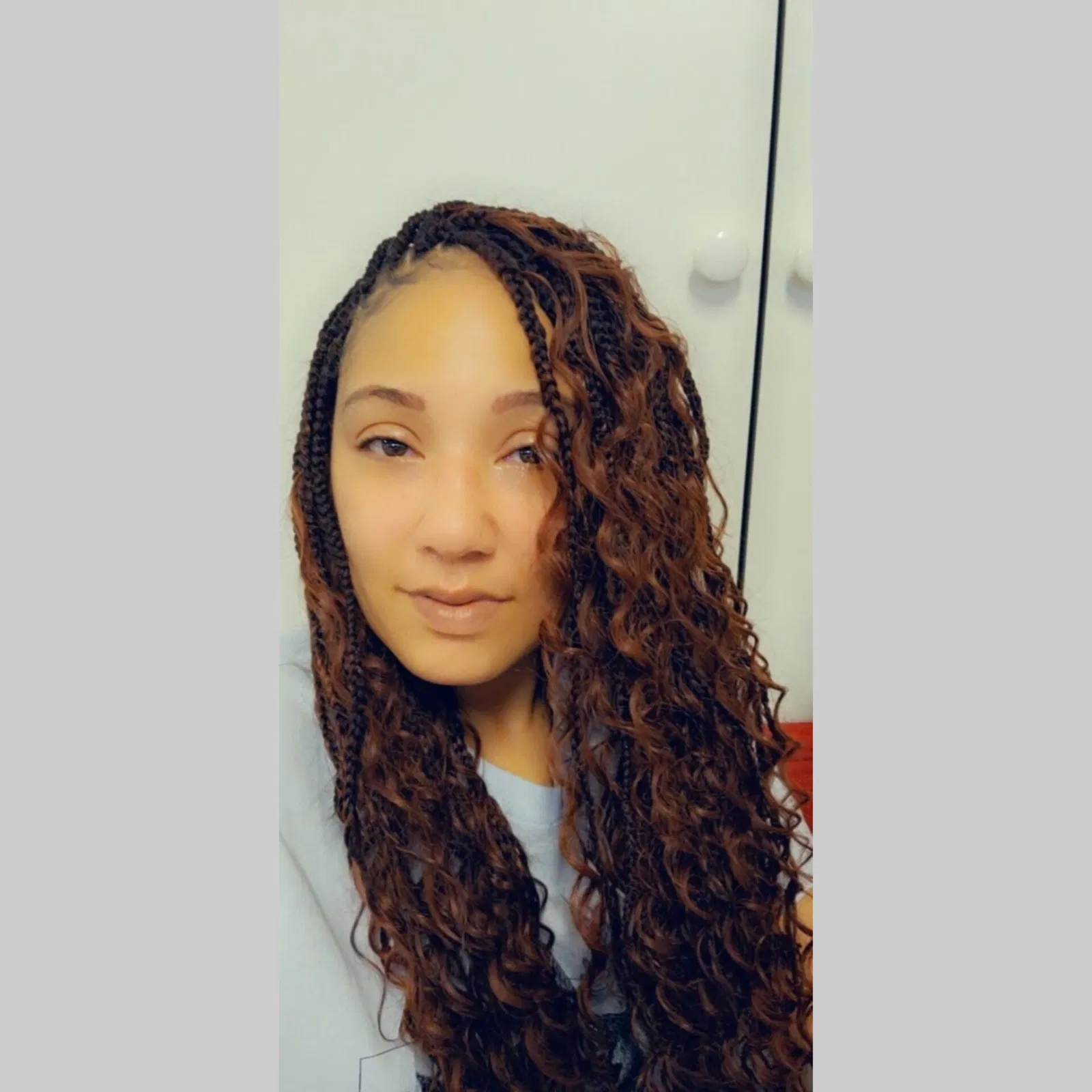
A Cause for Candice’: Roc Nation unites to help a cherished team member find a lifesaving kidney donor.
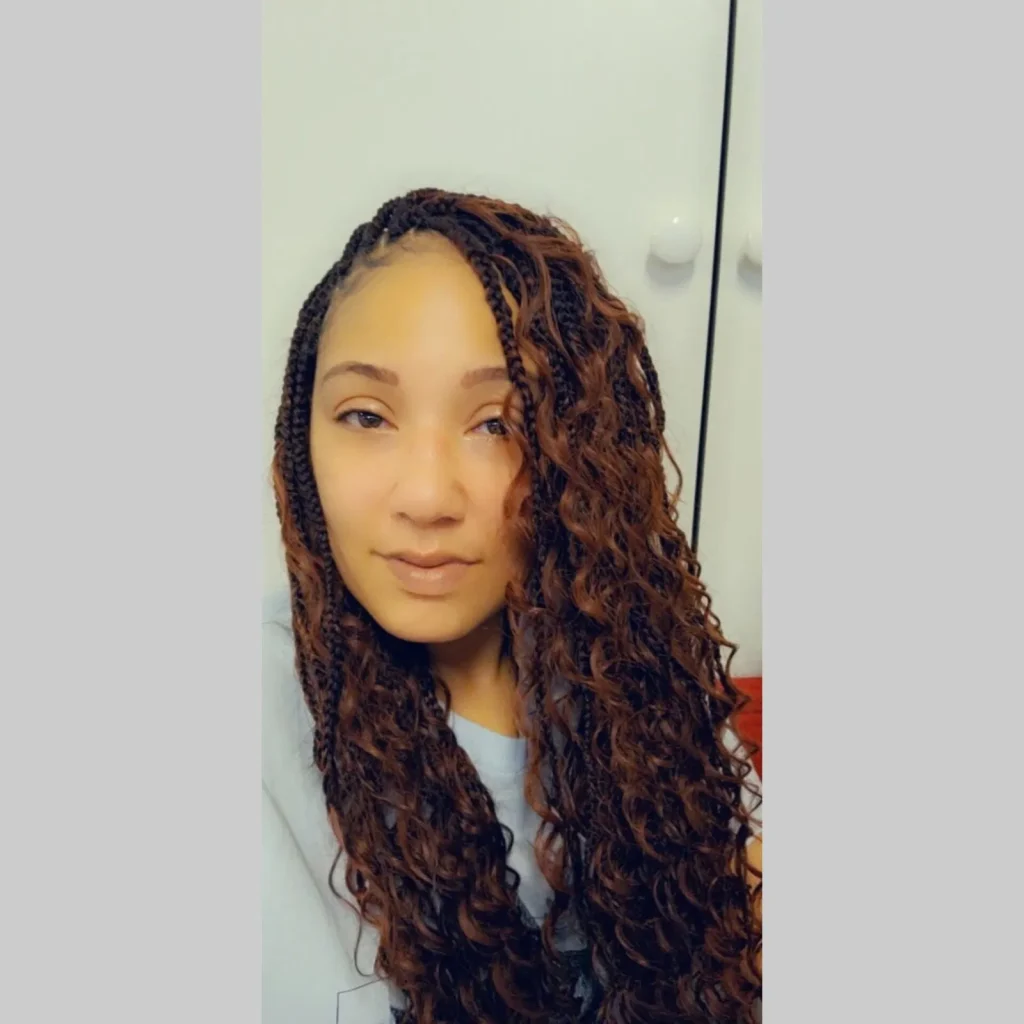
Candice was diagnosed with Type 1 diabetes at just 17.
For more than twenty years, Candice Davis has been a constant force within Jay-Z’s expanding empire. She began her journey at Baseline Studios in 2002, supporting Roc Nation CEO Desiree Perez long before the company became what it is today. When the 40/40 Club launched in 2003, she shifted roles to help manage the venue, remaining there until the pandemic forced its closure. In 2021, she officially joined Roc Nation’s office operations team, bringing with her decades of experience, dedication, and deep institutional knowledge.
What most people didn’t realize throughout those years was that her health had quietly been declining. Candice received a Type 1 diabetes diagnosis when she was just 17.
“I dropped from about 160 pounds to 125 in just two months,” she recalls. “I was constantly thirsty, using the bathroom nonstop… I had no idea what was happening to me.”
When doctors first described the lifelong treatment she would need, her immediate reaction was, “I’m not doing that.”
It wasn’t until age 32 that Candice began consistently using an insulin pump and Dexcom sensor.
“The change was instant—my hemoglobin dropped all the way to an 8,” she tells BLACK ENTERPRISE. “I wanted to kick myself for not doing it sooner.” But by then, years of damage had already taken their toll.
“Diabetes is not a game,” Candice stresses. “If you don’t stay on top of your levels, it will seriously, seriously impact your body.”
As time went on, her condition grew more complex. She developed numbness in her feet, vision issues, ulcers, repeated infections, and suffered multiple broken bones. Across the decades since her diagnosis, she’s undergone more than 25 surgeries. By 2022, her health began to decline even further.
“My kidney doctor told me, ‘You need to go to the hospital—your creatinine is 3.9,’” Candice recalls. “By the time I arrived, it had jumped to 5.9.” After several days of biopsies and tests, doctors delivered the devastating news: “Your kidneys—there’s nothing more we can do.” She began peritoneal dialysis that November, but things only got harder from there.
In February 2023, Candice spent three weeks in the hospital after slipping in the bathroom and breaking her hip. Because of her kidney disease, she had developed renal osteodystrophy, a brittle bone condition. She was then transferred to a rehabilitation center, where she had to relearn how to walk. That’s where her world shattered again.
“They told me my husband had died of a heart attack that morning,” she says. “We’d been together for 20 years. He was my rock—the glue that held our family together.” She adds quietly, “I haven’t been able to grieve the way I need to because I’ve been so consumed by my own health… I still don’t know what life looks like without him.”
After enduring one hardship after another, Candice was finally placed on the transplant donor list last year—and now urgently needs a new kidney to survive. Despite everything, she refuses to lose hope. “I feel like I’m still meant to be here. I haven’t given up,” she tells BE. “I’m going to fight. I’ve been a fighter my whole life.”
Within Roc Nation, the colleagues who have known Candice for two decades didn’t hesitate when they learned she needed a transplant. The company launched A Cause for Candice, a campaign aimed at helping her find a living donor and raising awareness about the national kidney shortage.
“Candice is a longtime and deeply cherished member of the Roc Nation family,” says Dania Diaz of Team Roc, the company’s philanthropic division. “She’s played an essential role in our daily operations, and she’s an extraordinary person who has shown remarkable strength throughout her health journey.”
Once the seriousness of Candice’s condition became undeniable, the company acted swiftly. “It really wasn’t a difficult decision,” Diaz says. “We knew there was an urgent need to raise awareness—every second counts.”
When Candice learned about the campaign, she was overwhelmed. “It feels incredible,” she says. “I’ve always prepared myself for people not to care, so it means everything when you realize some people truly do.”
Candice’s story reflects a nationwide crisis. UNOS reports that nearly 90,000 people in the U.S. are currently waiting for a kidney transplant, and 11 patients die each day before receiving one.
Diaz admits she, too, hadn’t grasped the scale of the kidney shortage until experiencing this journey alongside Candice.
“I didn’t even realize there was a shortage,” Diaz admits. She also wants people to understand that living donation isn’t the daunting, impossible act many believe it to be.
“So many people have donated a kidney and are living full, healthy lives,” she explains. “There’s this misconception that you need both kidneys to survive, but countless people thrive with just one—or were even born with one.”
“It’s really not as frightening as it seems,” she adds. “And you have the power to change someone’s life. This is a moment where you can step in and make a difference.”
Candice’s struggle is not isolated. Across the United States, Black families face a disproportionate burden when it comes to kidney disease. Although Black Americans make up only 13% of the population, they represent nearly one-third of all people living with kidney failure—a staggering disparity driven by diabetes, hypertension, and long-standing inequities in healthcare access. National data shows that about 1 in 5 Black adults has chronic kidney disease, often without knowing it until the condition is advanced. For many, the path to dialysis or transplant mirrors Candice’s: years of battling diabetes without adequate tools, screenings, or consistent medical support that might have changed the outcome. Her story is deeply personal, but the crisis it reflects is national.
Candice’s daughter offered to donate a kidney, but she was ultimately ruled out due to being pre-diabetic and concerns surrounding their family medical history.
“They typically won’t accept a donor who has medical risks on both sides of their family,” Candice explains.
Although her AB-positive blood type makes her eligible to receive a kidney from donors of any blood type, her search is complicated by another factor: she’s classified as having “100 percent antibodies.”
“I have to find someone who doesn’t share any of the antibodies I carry,” she says. “If they do, my body will attack the kidney, and I’ll reject it.”
Candice’s hopes for the future are simple and deeply human—she just wants to live long enough to experience the moments her husband can no longer witness.
“I dream of a lot of things, mostly for my children,” she says. “I want to see them get married, to watch them become parents. I want to be here for all of it because they already lost their dad, and that was such a huge loss. Even though they’re adults, I don’t want them to feel like orphans. I want to be here for them, first and always.”
She also wants to give back. “I’d love to start a support group—to help others and share resources,” she says. “Someone cared enough to help me, so I feel a responsibility to care for others going through the same thing.”
Anyone inspired by Candice’s story can start the donor screening process at acauseforcandice.com. The campaign connects directly to the Robert Wood Johnson Transplant Center, where potential donors can complete a form and indicate their interest in being screened for Candice Davis.
The Paper Plane store at 252 Lafayette Street in New York is also helping to raise awareness by sharing Candice’s story and providing information about becoming a living kidney donor.
“We’re doing everything we can,” Diaz stresses. “By raising awareness, we hope to find a match for Candice. And even if someone isn’t a match for her, they might be a match for someone else. We all have the ability to help one another—and to give life to someone in need.”