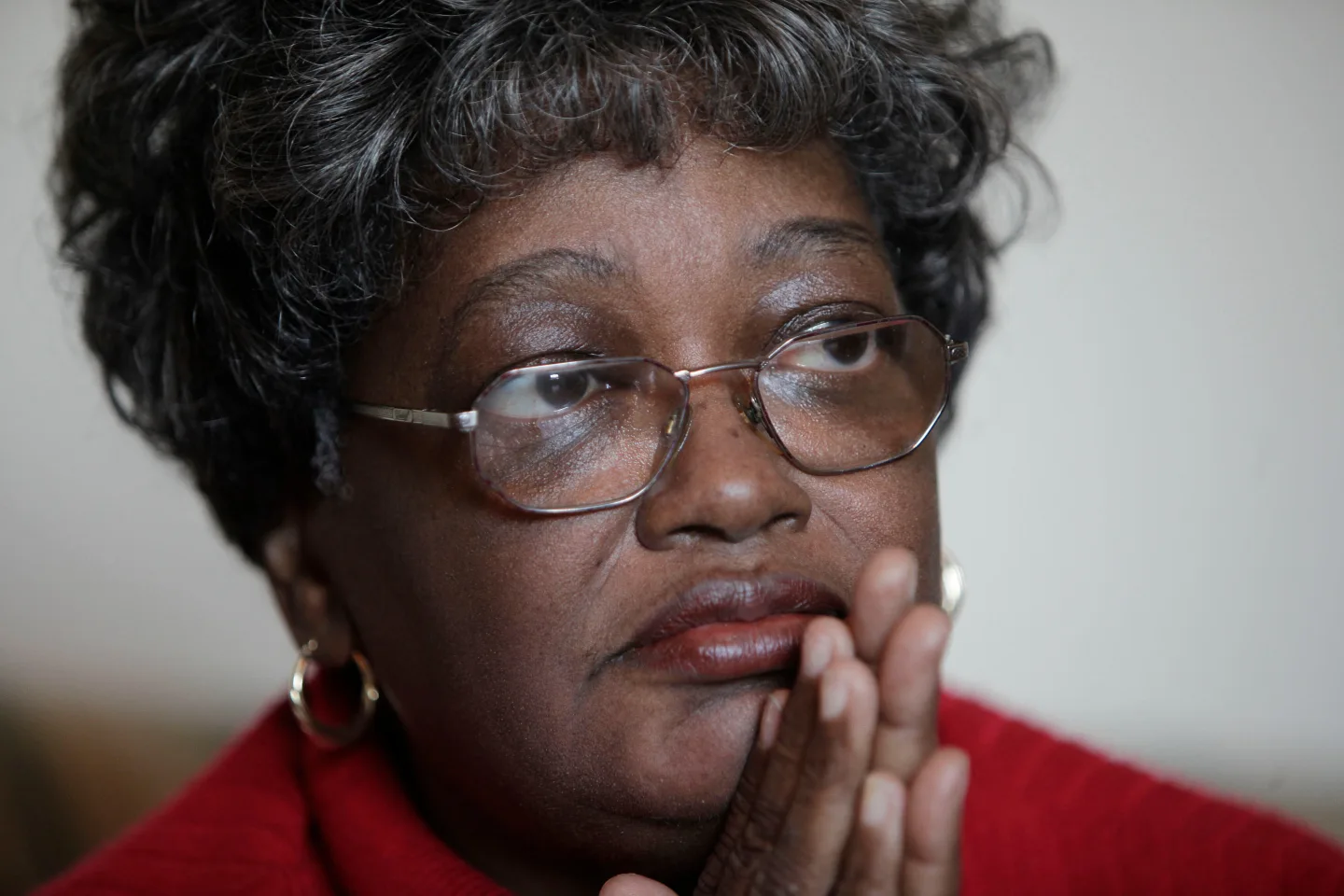
Civil rights icon Claudette Colvin, who refused to give up her bus seat, has passed away at 86.
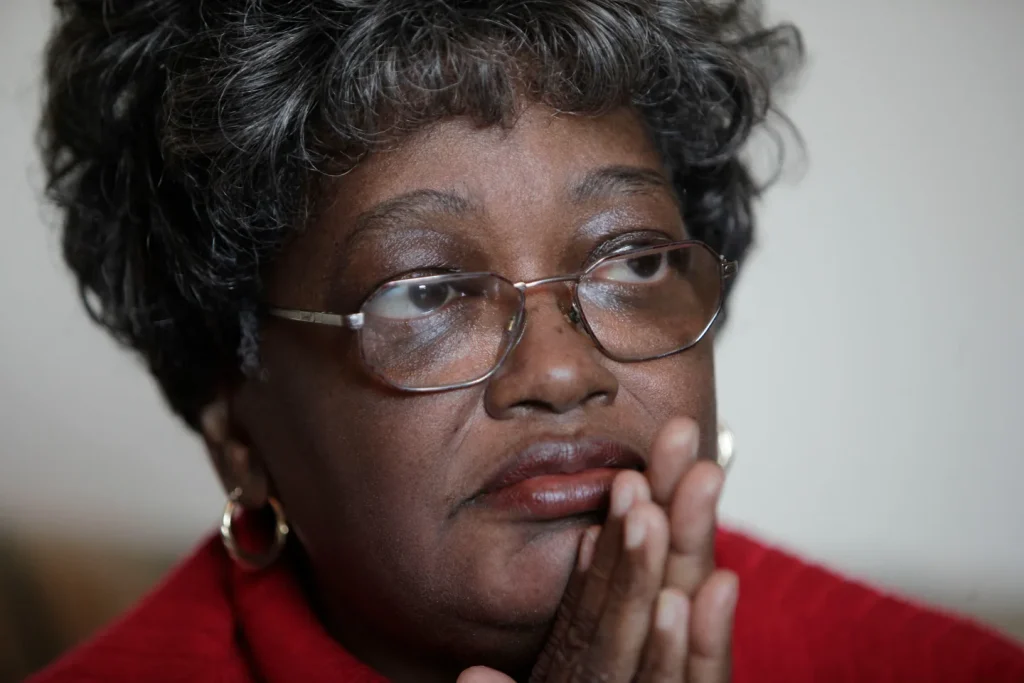
MONTGOMERY, Ala. (AP) — Claudette Colvin, whose 1955 arrest for refusing to surrender her seat on a segregated Montgomery bus helped ignite the modern civil rights movement, has died at 86.
Her death was announced Tuesday by the Claudette Colvin Legacy Foundation. The organization confirmed she died of natural causes in Texas.
Colvin was just 15 when she was arrested—nine months before Rosa Parks’ historic act brought global attention to the bus boycott.
Colvin boarded the bus on March 2, 1955, while riding home from high school. With the front seats reserved for white passengers, she sat in the back with other Black riders. When the white section filled up and the driver demanded Black passengers give up their seats, Colvin refused.
“My mindset was on freedom,” Colvin said in 2021, reflecting on that moment.
“So I wasn’t going to move that day,” she said. “History had me rooted to that seat.”
At the time of Colvin’s arrest, anger was already growing over the treatment of Black riders on Montgomery’s buses. Later that year, another Black teenager, Mary Louise Smith, was arrested and fined for also refusing to give up her seat.
It was Rosa Parks’ arrest on Dec. 1, 1955—then a local NAACP activist—that became the tipping point, sparking the yearlong Montgomery Bus Boycott. The boycott launched the Rev. Martin Luther King Jr. onto the national stage and is widely seen as the beginning of the modern civil rights movement.
Colvin was one of four plaintiffs in the landmark case that ended racial segregation on Montgomery’s buses. Her passing comes just weeks after the city marked the 70th anniversary of the Montgomery Bus Boycott.
Montgomery Mayor Steven Reed said her courage “helped lay the legal and moral groundwork for a movement that transformed America.”
Colvin never gained the same level of recognition as Parks, and Mayor Reed said her courage was “too often overlooked.”
“Claudette Colvin’s life reminds us that history is shaped not only by the most celebrated figures, but by those whose bravery comes early, quietly, and at great personal sacrifice,” Reed said. “Her story calls on us to tell the whole truth of our past and to honor every voice that helped move us closer to justice.”
In 2021, Colvin filed a petition to have her juvenile court record expunged, which a judge approved.
“When I think about why I want my name cleared,” Colvin said then, “it’s because I want young people to see that change is possible and that things can improve. I hope it inspires them to help make the world better.”