“The Nurse Got Angry”: Black Mothers Speak Out on Traumatic Maternity Care.
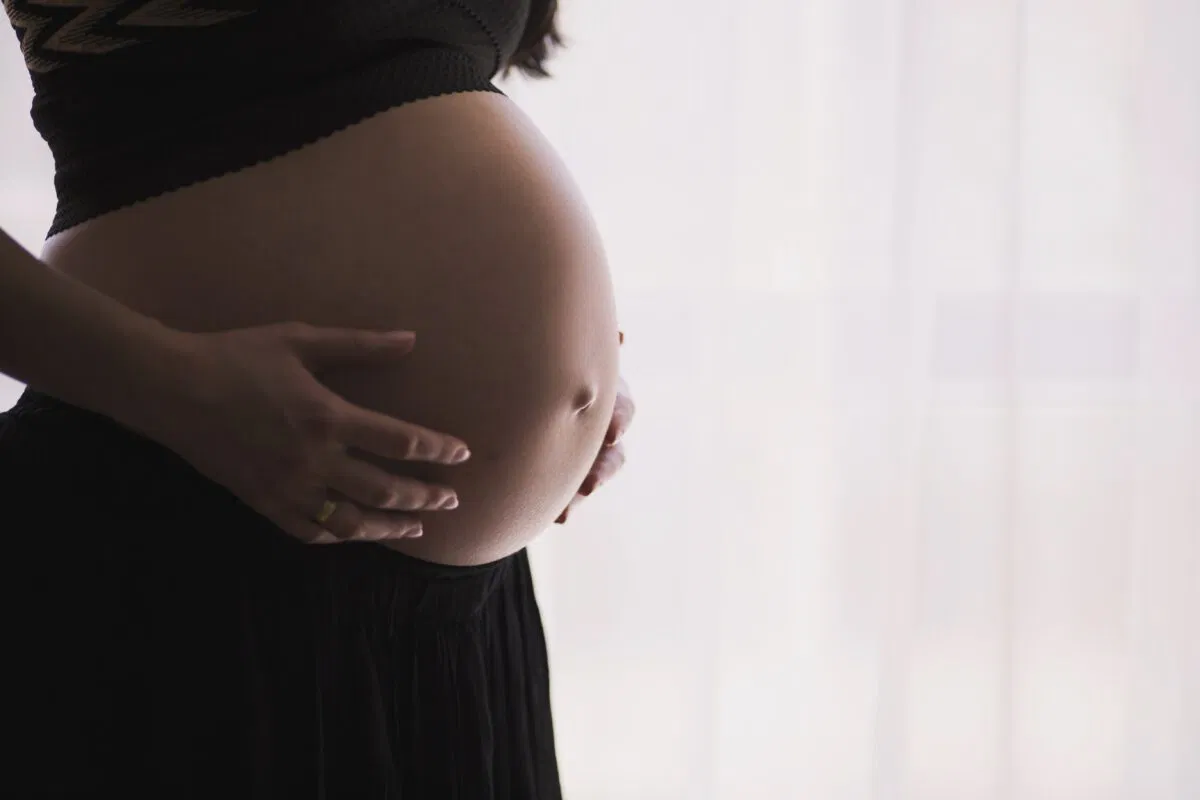
Black mothers across the United Kingdom are coming forward with accounts of traumatic maternity care as the nation confronts a worsening maternal health crisis.
Three Black mothers who received care at different hospitals across the UK are speaking out about eerily similar maternity experiences—describing how their pain was ignored, their concerns dismissed, and how racial bias may have played a role in their mistreatment.
“The midwife told me to shut up and then put her hand over my mouth,” said Tenisha Howell, a mother of five, in a candid interview with Sky News.
One mother, Shakira Akabusi, recounted the reaction she received from a nurse after asking if there were alternatives to morphine following her C-section.
“The nurse became upset,” Shakira Akabusi said. “She threw the morphine away, and I was left alone for hours afterward.”
Kadi Wilson also described lying in her hospital bed recovering from a fourth-degree tear, crying in pain while she says staff showed little compassion—some allegedly walking past without responding to her calls for help.
These accounts underscore the troubling realities behind ongoing disparities in maternity care. Despite national efforts to confront the maternal mortality crisis, which disproportionately impacts Black women, they remain twice as likely to die from childbirth-related causes. By sharing their stories, these mothers are shedding light on what it means to navigate pregnancy and childbirth within a healthcare system where race can significantly influence outcomes.
“I didn’t feel supported, I didn’t feel safe, and I didn’t feel that my pain was taken seriously,” said Tenisha Howell, 33. “I have many experiences to reflect on, and it’s heartbreaking to say that so many of them were negative.”
Howell described her fifth labor and delivery as the most traumatic, recalling intense pain as the gas and air wore off. She alleged that a midwife repeatedly pressured her to remain quiet as she cried out.
“She told me to shut up several times, then placed her hand over my mouth as if to say, ‘be quiet,’” Howell said. “It was deeply upsetting—just incredibly sad.”
These testimonies are among those highlighted by Michelle Peter, co-author of the Five X More Black Maternity Experiences Report, which surveyed 1,164 Black and mixed-heritage women in the UK who were pregnant between July 2021 and March 2025. More than half of respondents reported difficulties with healthcare professionals, while nearly one in four said they were denied pain relief despite requesting it.
“This pattern of dismissing Black women’s pain and withholding adequate pain relief when it is requested is something we hear far too often,” said Michelle Peter. “It is closely tied to historical—and still persistent—racialized assumptions about Black people’s pain tolerance, vulnerability, and perceived strength.”
In response, the UK Government has launched an independent review of maternity and neonatal services, led by Baroness Amos. The review found that too many women, across all backgrounds, continue to receive “unacceptable care,” often with devastating consequences. It will also examine how discrimination shapes the experiences of women of color, even as reforms remain ongoing.
Baroness Merron, the parliamentary under-secretary for patient safety, women’s health, and mental health, called it “absolutely unacceptable” that Black and Asian women in the UK face a higher risk of dying during childbirth than white women.
“I am very much looking forward to implementing what we can from this review,” she said. “I am already taking action to tackle discrimination and racism across the National Health Service because this cannot wait any longer.”