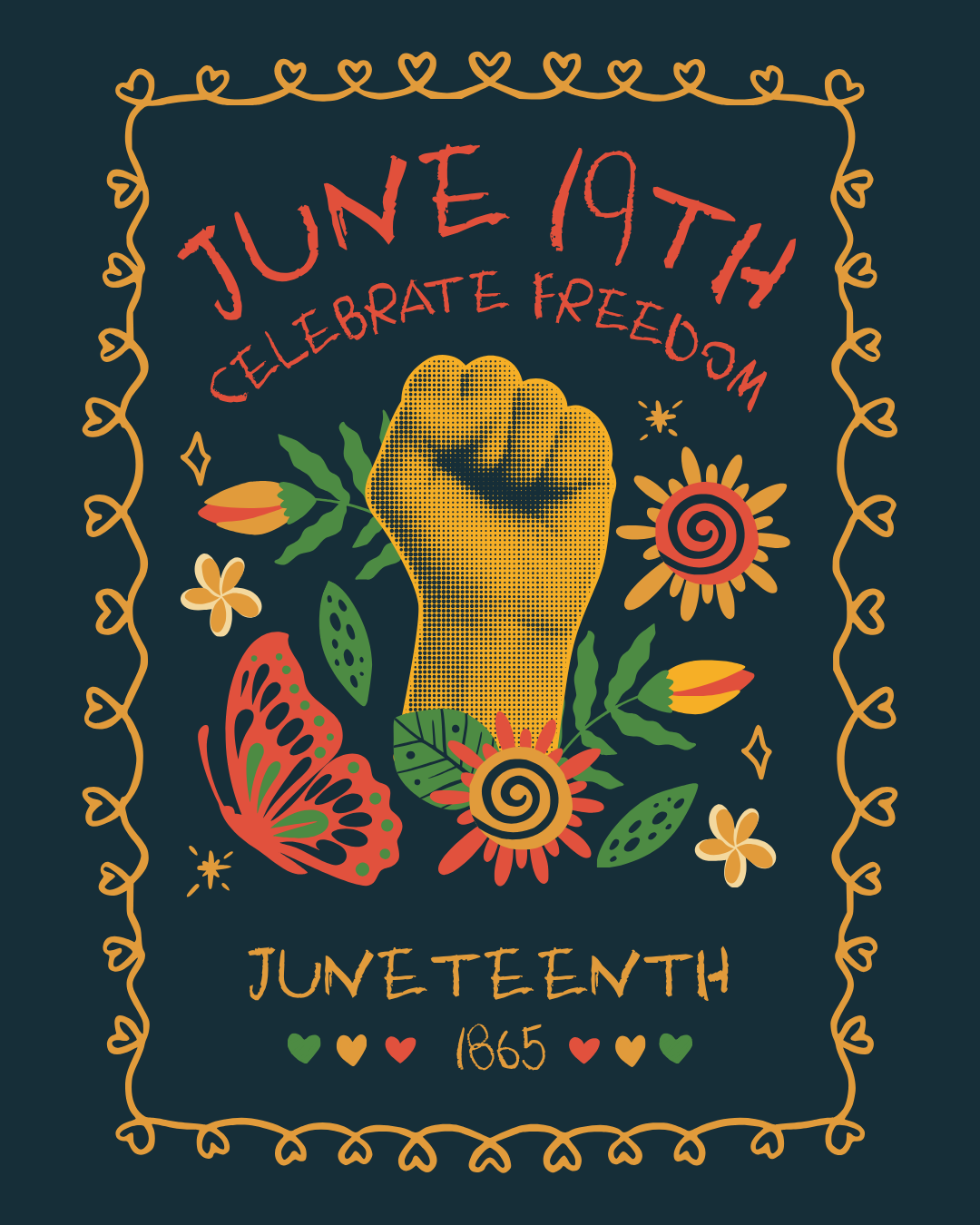
Juneteenth Explained: Its Meaning and How It Became a National Holiday.
Celebrated for more than a century, Juneteenth only became a federal holiday in recent years.
The day has long been overlooked in American history education, and many people may not have learned about the event it honors while in school. So what is Juneteenth, and how did it gain federal recognition?
What is Juneteenth?
In the midst of the Civil War, President Abraham Lincoln took a historic step toward ending slavery by issuing the Emancipation Proclamation, declaring that “all persons held as slaves” in Confederate states “are, and henceforward shall be free,” effective January 1, 1863. However, the war continued, and the process of emancipation across the country took years to fully unfold.
Confederate General Robert E. Lee’s surrender at Appomattox in April 1865 marked the beginning of the end of the Civil War, more than two years after the Emancipation Proclamation was signed.
On June 19, 1865, Union troops arrived in Galveston, Texas, where U.S. Major General Gordon Granger announced the end of slavery by reading General Orders No. 3: “The people of Texas are informed that, in accordance with a proclamation from the Executive of the United States, all slaves are free.” This moment became known as Juneteenth, also called “Freedom Day” or “Emancipation Day.”
Although Juneteenth is recognized as the oldest known celebration honoring the end of slavery in the United States, it did not mark the legal abolition of slavery nationwide. That official end came later with the ratification of the 13th Amendment on December 6, 1865, which permanently outlawed slavery across the country.
Even so, Juneteenth has been observed for generations within many Black American communities.
Tommie D. Boudreaux, a founding member of the Galveston Historical Foundation African American Heritage Committee, notes that the day honors the fact that Black Americans “played a major part in building America.” He adds, “It is a major, a major part of Americans’ history.”
How did it become a federal holiday?
Texas was the first state to officially recognize Juneteenth as a holiday in 1980. Over the following decades, many other states followed, either designating it as a holiday or an official observance, as grassroots efforts pushed for wider recognition.
Former President Barack Obama acknowledged and commemorated Juneteenth several times during his presidency. However, it wasn’t until 2021—following nationwide racial justice protests sparked by the deaths of George Floyd and Breonna Taylor—that then-President Joe Biden officially designated Juneteenth as a federal holiday.
“As formerly enslaved people were recognized for the first time as citizens, Black Americans began commemorating Juneteenth through celebrations across the country, building new lives and a tradition that continues today,” Biden said in his proclamation. “In its celebration of freedom, Juneteenth is a day that should be recognized by all Americans. And that is why I am proud to have consecrated Juneteenth as our newest national holiday.”
“Juneteenth is a day of profound weight and power,” he continued. “A day in which we remember the moral stain and terrible toll of slavery on our country—what I’ve long called America’s original sin. A long legacy of systemic racism, inequality, and inhumanity. But it is also a day that reminds us of our incredible capacity to heal, hope, and emerge from our darkest moments with purpose and resolve.”
Boudreaux has said that the recognition of Juneteenth as a federal holiday was “long overdue.”