WNBA officials address the ongoing transgender athlete controversy, criticizing “bad-faith efforts” that the league says could marginalize others.
The WNBA has called for an end to the “vitriol” directed at its players this season as league officials announced their position on transgender eligibility following a meeting to address the growing controversy.
The league has faced increasing scrutiny over transgender athletes in recent weeks, particularly after Indiana Fever star Sophie Cunningham said she wanted to “protect young girls” from what she described as “biological men.”
Cunningham’s comments sparked a heated debate across the WNBA, drawing both criticism and support. The controversy intensified when two former NBA players declared themselves eligible for the WNBA draft, apparently as a protest against the league’s current eligibility policies.
WNBA general managers and team presidents met Wednesday as part of the league’s anti-hate task force to address athlete eligibility amid the ongoing debate over transgender participation.
Despite the recent controversy surrounding transgender athletes, league officials concluded that there were no concerns with the WNBA’s existing eligibility policies and indicated that no immediate changes were necessary.
Following the meeting, the league said there were “no immediate eligibility matters affecting” the WNBA at this time.
WNBA officials also used the meeting to address the growing controversy surrounding the league, condemning what they described as “bad-faith efforts” aimed at “demeaning or marginalizing others.”
In a statement reported by The New York Post, a league spokesperson said the meeting covered several issues, including ongoing discussions about transgender athletes and the “hate and vitriol” being directed at WNBA players online.
The spokesperson added that the league would continue consulting with its stakeholders in the coming weeks and months, stressing that the discussions would be handled thoughtfully and in keeping with the WNBA’s values. The league also reiterated that there were “no immediate eligibility matters affecting” the WNBA and strongly rejected attempts to use the debate to demean or marginalize others.
The statement comes as the WNBA finds itself at the center of renewed controversy over transgender athlete eligibility. Under the league’s collective bargaining agreement, “only players who are women are eligible to play in the WNBA,” although the agreement does not provide more specific language regarding gender identity or sex assigned at birth.
The debate intensified after Indiana Fever star Sophie Cunningham spoke out about transgender participation in women’s sports, prompting both criticism and public support, including from Vice President JD Vance.
The controversy escalated further Friday when former NBA players Enes Kanter Freedom and Royce White declared themselves eligible for the WNBA draft, claiming to identify as women. White later drew additional attention Sunday by appearing in a wig and jokingly celebrating what he called his “feminine era.”
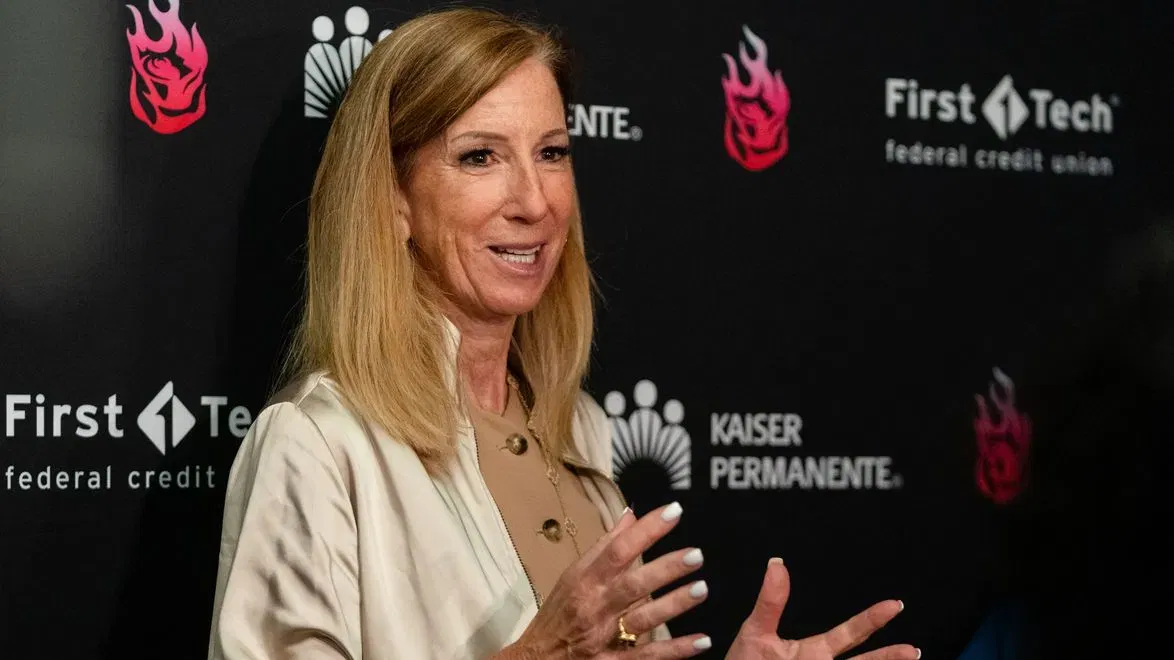
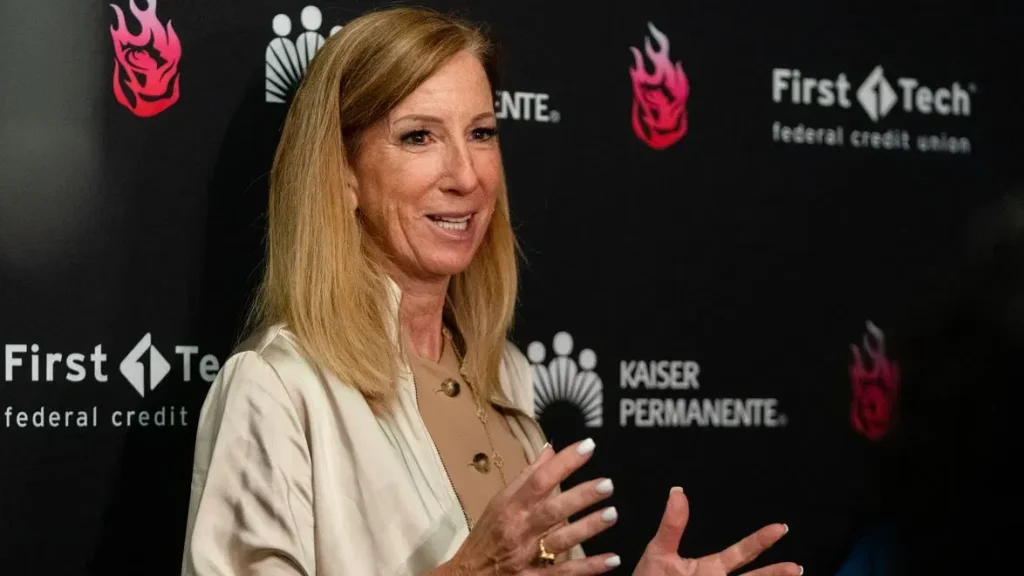
In a memo that was leaked over the weekend, WNBA Commissioner Cathy Engelbert revealed that league officials were set to meet to discuss the ongoing debate over athlete eligibility.
Engelbert said the league would “always approach this topic thoughtfully, respectfully” and in accordance with the WNBA’s long-standing values. She also pointed out that, unlike some other leagues and governing bodies, the WNBA’s player eligibility rules are collectively bargained.
She emphasized that maintaining the integrity of the game and ensuring fair competition would remain among the league’s top priorities.
Engelbert acknowledged that the issue is complex and nuanced, adding that the league would continue discussions with teams and the players’ association in the coming weeks and months. She also said additional meetings and listening sessions would be offered to team leaders who wanted to share their perspectives.
Meanwhile, the WNBA players’ association issued a statement on social media Friday highlighting its commitment to diversity and inclusion while making clear that it “will not be used as political pawns.”
The union said it supports justice, equity, diversity and inclusion, describing those principles as central to protecting women’s sports while promoting meaningful change.
It also condemned hate, abuse and the demonization of any individual or group, including transgender people, warning that such rhetoric can contribute to fear, division and harm. The association said it would continue engaging in difficult conversations but would not allow itself to be used for political purposes.
Some WNBA players and coaches have publicly voiced their support for transgender athletes, including Seattle Storm center Stefanie Dolson and Minnesota Lynx head coach Cheryl Reeve.
“We need to protect trans kids,” Reeve said on August 1, describing the issue as a human rights matter and arguing that every child should have the opportunity to participate in sports.
The league faced another flashpoint Saturday when Indiana Fever star Sophie Cunningham was left bloodied after a physical collision with Chicago Sky player DiJonai Carrington, who later appeared to reference “white privilege” in comments about her opponent.
Late in the first quarter of Indiana’s matchup with Chicago, Cunningham drove toward the basket when Carrington’s arm struck her in the face, sending her crashing to the court.
Carrington was assessed a flagrant 2 foul and ejected from the game. Cunningham and teammate Caitlin Clark were later seen waving as Carrington made her way toward the locker room.
Although Cunningham was later captured smiling and applauding the officials’ decision, footage from moments earlier showed her visibly furious after the foul. Courtside video appeared to capture Cunningham directing an expletive-laden insult at Carrington and demanding to know why she had made the play.
The 29-year-old quickly got back to her feet and attempted to confront Carrington, but teammates and staff intervened and pulled her away.