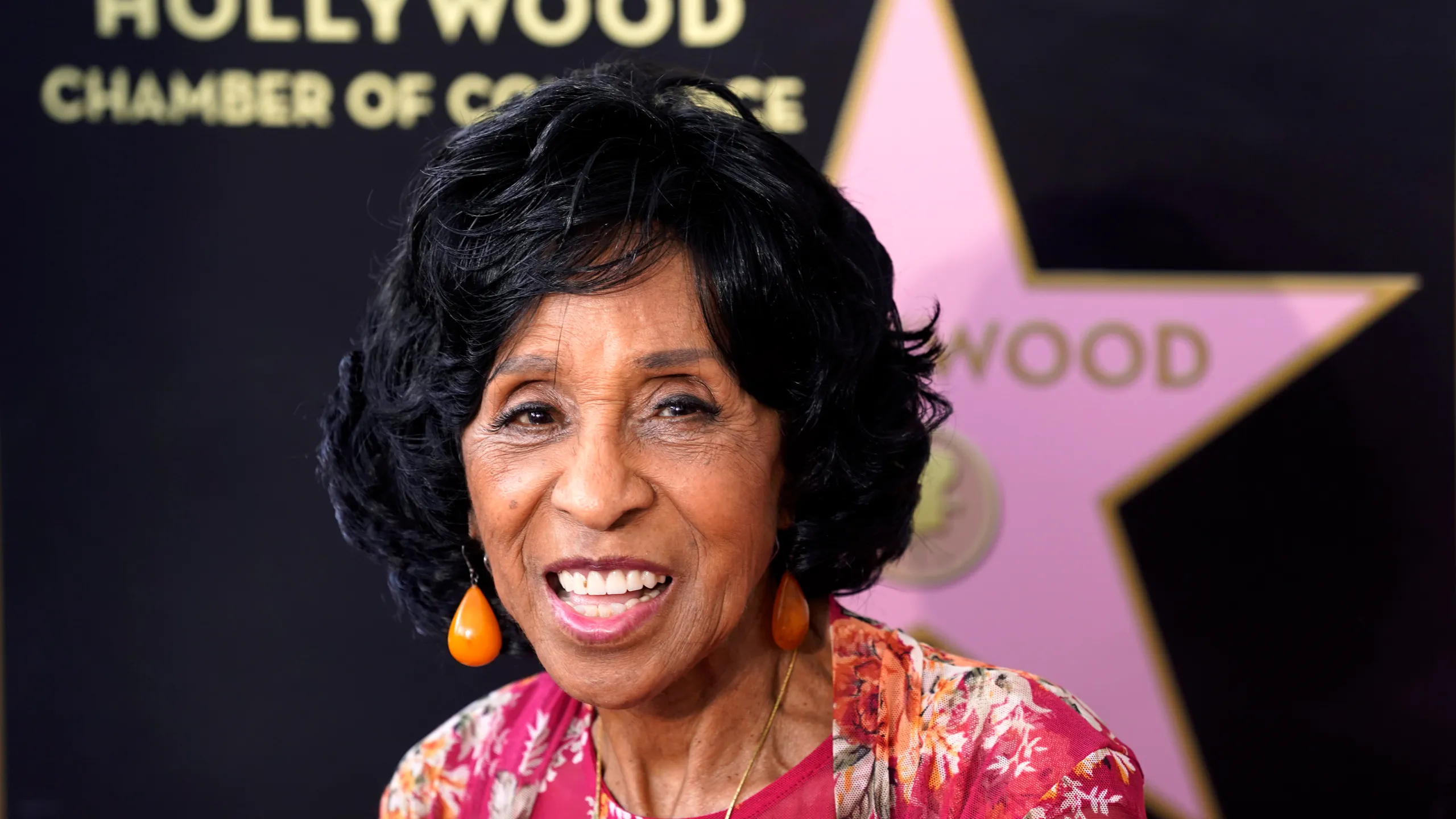
Marla Gibbs Exposes Shocking Childhood Abuse—and the Voice That Refused to Be Silenced.
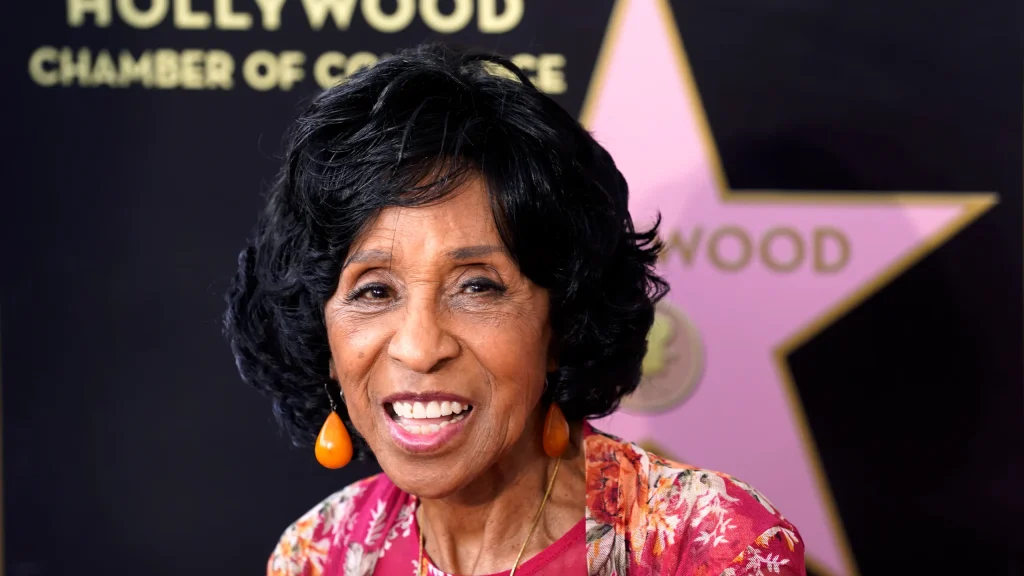
The life of Marla Gibbs has long been celebrated for its humor, strength, and groundbreaking roles in television. But behind the laughter and unforgettable characters lies a deeply painful chapter she has only recently chosen to fully share. In her autobiography, Gibbs revealed the traumatic reality of her childhood—one marked by repeated sexual abuse endured alongside her sisters at the hands of men their mother was involved with. Her story sheds light not only on personal suffering, but on the environment that allowed such harm to persist.
Gibbs recounted one particularly harrowing experience in which a man assaulted her so violently that it made her physically ill. It’s a detail that underscores the severity of the abuse and the lasting impact it left. Reflecting on her mother’s role, Gibbs expressed a complicated understanding—acknowledging the possibility that her mother may have suspected what was happening, while also placing it within the context of a different era. She noted that at the time, many women, especially those raising children alone, felt powerless to confront or stop abusive men. “It don’t make it right,” she shared, “but that’s how it was back then. Women didn’t say anything.”
The trauma she endured didn’t silence her—it shaped her. Gibbs described how those early experiences forged her into someone strong, assertive, and unwilling to be subdued. For years, she was criticized for being “too loud” or “talking too much,” but she came to understand that her voice was not a flaw—it was a form of survival. Speaking up became her way of reclaiming power in a world that once tried to take it from her.
That same unapologetic energy would later define her most iconic roles. As Florence Johnston in the groundbreaking sitcom The Jeffersons, Gibbs brought to life a character who was sharp, outspoken, and unafraid to challenge authority—a portrayal that resonated deeply with audiences and helped break barriers on television. She later carried that strength into her leading role as Mary Jenkins on 227, further solidifying her place as a powerful voice in entertainment. For Gibbs, these roles felt like affirmation—that she didn’t need to shrink herself to be accepted. She was, as she put it, “fine just as you are.”
Despite the hardships they faced, Gibbs and her sisters built lives marked by resilience and achievement. Her sister, Susie Garrett, also found success in television, notably appearing on Punky Brewster. Their journeys stand as a testament to survival, strength, and the ability to rise beyond circumstances that could have easily defined them.
Marla Gibbs’ story is not just one of pain—it is one of transformation. It challenges the instinct to judge what we don’t fully understand and reminds us that traits often criticized or misunderstood may be rooted in survival. In her case, the very voice she was once told to quiet became the force that propelled her forward. It wasn’t her weakness—it was her power.